August 14, 2026
Maintaining a vibrant outdoor landscape requires continuous attention to detail and proactive care for every plant growing on the grounds. Large trees offer magnificent aesthetic appeal, essential natural shade, and valuable environmental advantages, but their health can decline quietly over extended periods. Property owners frequently overlook subtle indicators of structural weakness or botanical disease until severe environmental hazards develop around their homes or outdoor living spaces. Identifying subtle physical changes in foliage, bark structure, or root anchoring helps homeowners take preemptive action before hazardous situations occur. Engaging a certified tree maintenance service ensures that experienced professionals evaluate environmental risks, diagnose underlying diseases, and execute precision care to keep your landscape safe year round.
Spotting Visible Decay on Main Trunks
The structural integrity of a tree relies heavily on the solid condition of its primary trunk and major supporting limbs. When bark begins peeling excessively, flaking away in large sections, or exposing soft interior wood, the plant signals significant internal stress or decay. Deep vertical cracks, hollow cavities, and soft areas along the main trunk indicate that wood rot has penetrated structural layers. External factors like extreme weather, physical impacts from lawn equipment, or severe insect activity frequently accelerate this deterioration. Left unaddressed, localized decay expands throughout the central trunk system, making the plant vulnerable to collapse during high winds.
Identifying early stages of trunk deterioration is essential for preventing catastrophic property damage and preserving landscape beauty. While some superficial bark damage heals naturally, deep cavities and spreading rot require specialized professional intervention. Plant health specialists utilize non-invasive diagnostic techniques to assess internal strength without causing further harm to living tissue. Early intervention can salvage decaying trunks through strategic weight reduction, specialized cabling, or targeted treatments. Seeking a complete structural assessment through a qualified tree maintenance service allows property owners to determine whether structural reinforcement or complete removal offers the safest solution.
Finding Excessive Deadwood in Top Canopies
Healthy canopies display dense foliage and vibrant green leaves throughout active growing seasons, reflecting strong internal circulation and root health. When upper branches lose their leaves prematurely, turn brittle, or snap easily under light pressure, excessive deadwood is accumulating within the upper crown. Deadwood forms when disease, insect infestation, or internal sap restrictions prevent vital nutrients from reaching higher limbs. As dead limbs dry out, they lose flexibility and structural strength, transforming into immediate hazards for anything positioned directly underneath. High winds, heavy rainfall, or winter ice accumulation easily dislodge these brittle branches.
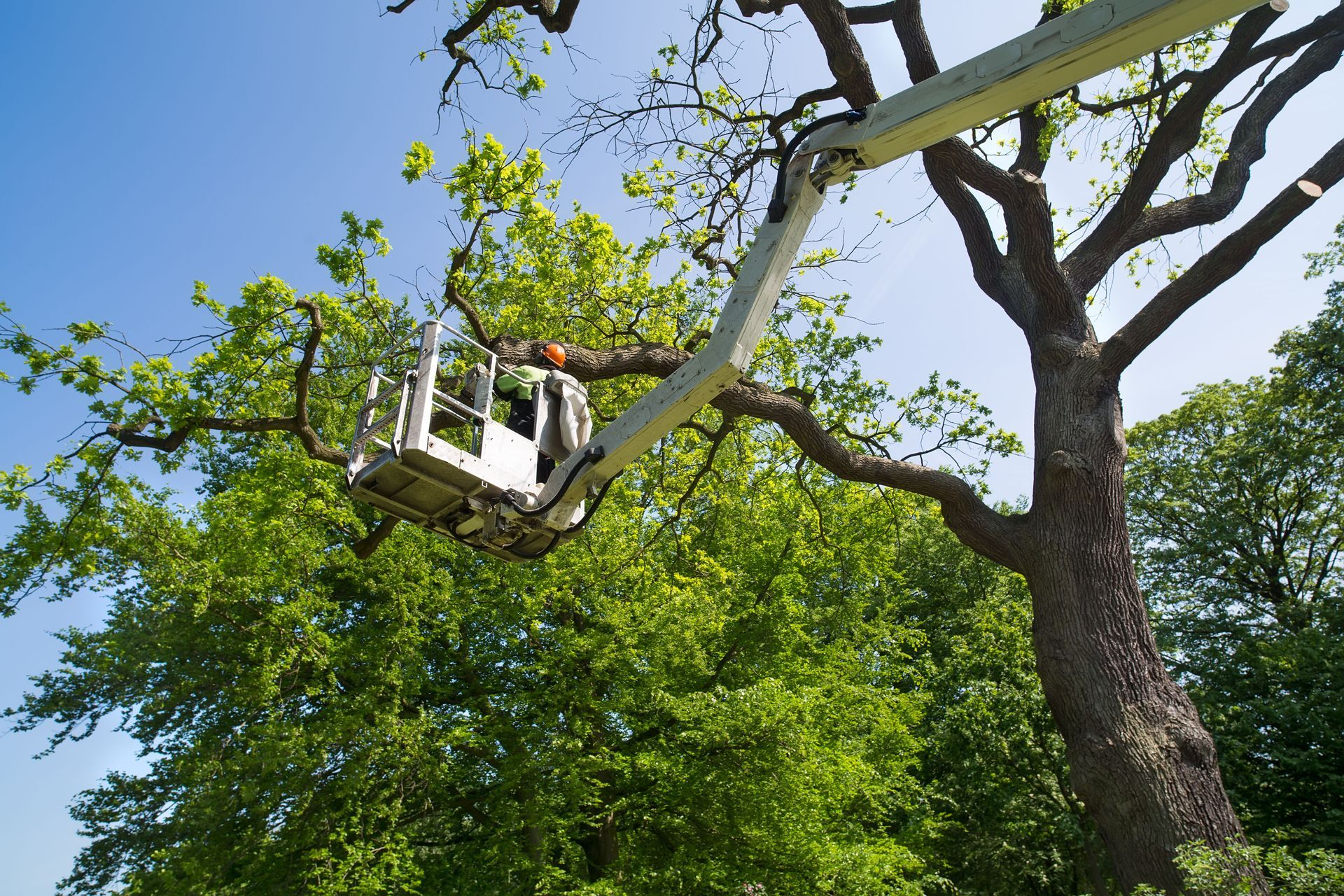
Managing canopy deadwood demands systematic inspection and precise pruning techniques that protect surrounding healthy limbs from decay exposure. Removing dead foliage improves sunlight penetration and air circulation throughout the remaining canopy, encouraging new growth and reducing wind resistance during storms. In situations where upper branches have suffered extensive decay, complete removal of the affected specimen becomes necessary to ensure safety. According to This Old House, depending on the size and type of tree, tree removal can take as little as 15 minutes or as long as a few hours. Scheduling a routine tree maintenance service ensures trained technicians safely prune deadwood or execute necessary removals using specialized equipment.
Observing Sudden Leaning Toward Household Structures
While many trees naturally grow at slight angles to reach open sunlight, a sudden or severe change in lean indicates serious structural instability. Unexpected tilting usually stems from compromised root systems, severe soil erosion, saturated ground conditions, or underlying trunk rot. When heavy rain oversaturates surrounding soil, compromised root anchors can give way, causing the entire organism to tilt dangerously toward homes, driveways, or adjacent power structures. Soil heaving, characterized by raised dirt mounds or exposed roots on the side opposite the lean, serves as a clear warning sign that root failure is actively occurring.
A leaning specimen poses an immediate safety hazard that demands prompt attention before structural failure results in devastating physical property damage. Ignoring progressive leaning increases the risk of complete uprooting during sudden wind gusts or localized severe weather events. Trained arborists evaluate root anchorage, soil stability, and weight distribution to determine if mechanical bracing or complete removal is required. Promptly addressing unstable tilt through a dependable tree maintenance service protects household members, minimizes liability risks, and preserves nearby landscape elements.
Detecting Fungal Growth Around Root Zones
Fungi growing near the base of a trunk or along surface roots usually signal hidden internal decay and active wood breakdown. Wild mushrooms, conks, or shelf-like fungal bodies sprouting directly from root flares absorb nutrients from decaying organic matter within the core of the plant. While external foliage may still appear green and healthy, subterranean fungal networks actively consume structural lignin, hollowing out essential support roots beneath the soil line. Over time, root decay severely diminishes the ability of the plant to anchor itself securely in the ground.
Discovering fungal structures around the root zone indicates an advanced stage of internal rot that requires immediate professional evaluation. Because root rot occurs hidden beneath the surface, property owners often misjudge the stability of visually full and leafy specimens. Arborists perform root crown excavations and soil tests to determine the precise extent of fungal damage and root mortality. Arranging an evaluation with a professional tree maintenance service helps property owners detect subterranean decay early, preventing sudden uprooting during severe weather storms.
Seeing Overgrown Branches Near Utility Lines
Lush branch networks that grow excessively large can quickly encroach on overhead power lines, electrical drop wires, and communication cables. When heavy branches contact live power lines, they create dangerous electrical arcs, severe fire hazards, and localized power outages during severe weather. Branches rubbing continuously against utility lines can wear down protective wire insulation, creating hazardous live currents that present extreme danger to property owners. Furthermore, overgrown canopies obstruct critical sightlines along driveways and roadways, creating navigational hazards for vehicles and pedestrians.
Trimming limbs near electrical utilities requires specialized safety equipment, certified training, and strict adherence to environmental regulations. Attempting DIY pruning near high-voltage power lines is extremely hazardous and can result in severe physical injury or electrical shock. Professional arborists utilize non-conductive equipment and specialized directional pruning practices to clear safe clearances around utility lines without sacrificing structural integrity. Booking an experienced tree maintenance service guarantees that dangerous power line clearances are established safely and in full compliance with municipal standards.
Watching Unseasonal Leaf Loss and Discoloration
Foliage serves as the visual barometer for overall plant health and internal physiological status. When leaves exhibit premature autumn coloring, unusual yellowing, spots, curling, or sudden defoliation during midsummer, underlying health issues are affecting the vascular system. Discolored foliage can stem from severe pest infestations, fungal leaf spot diseases, soil compaction, or nutrient deficiencies within the surrounding dirt. Premature leaf drop deprives the plant of its primary mechanism for photosynthesis, starving internal tissues of energy and leaving the specimen susceptible to insect attacks.
Diagnosing the specific cause of unseasonal leaf discoloration requires detailed knowledge of plant pathology and localized environmental stressors. Spraying generic chemical treatments without accurate diagnosis can further harm surrounding vegetation and fail to address root-level problems. Certified plant specialists conduct comprehensive soil analysis, pest identification, and foliar treatments tailored to specific species requirements. Investing in a targeted tree maintenance service ensures accurate disease identification, restorative soil fertilization, and proactive pest management to restore vibrant leaf development.
Proactive landscape management requires consistent vigilance, early hazard identification, and regular professional care to ensure long-term outdoor safety and beauty. Recognizing critical warning signs such as trunk decay, canopy deadwood, sudden leaning, fungal growth, utility encroachment, and foliage discoloration allows property owners to address minor plant issues before they transform into costly structural emergencies. Partnering with certified arborists preserves the beauty, shade, and value that mature trees bring to any property while eliminating dangerous hazards. Investing in a routine tree maintenance service safeguards your outdoor environment against unexpected storm damage and severe property loss. For expert diagnostic care, precise pruning, and professional removals, contact O&O Tree Service today.